Lighting Guides
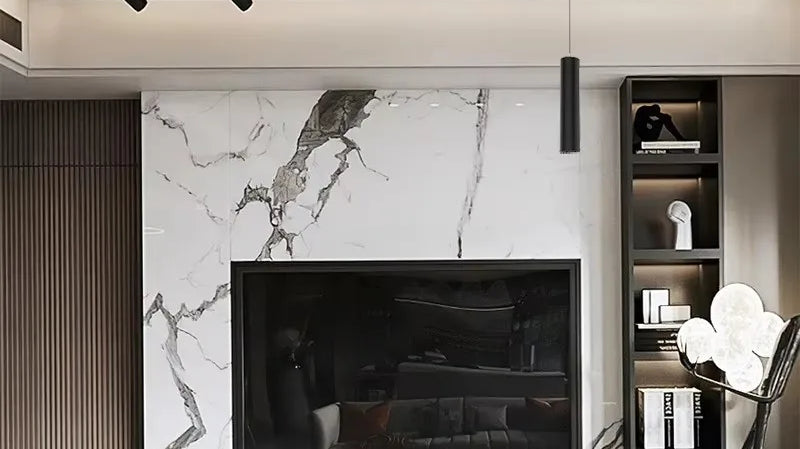
Track Lighting: Choosing the System, Spacing the Heads, and Aiming Them Properly
Track types are not cross-compatible, and that is the first thing to settle. How many heads per metre, where to position the rail, beam angles by distance, and the 30-degree aiming rule for artwork.
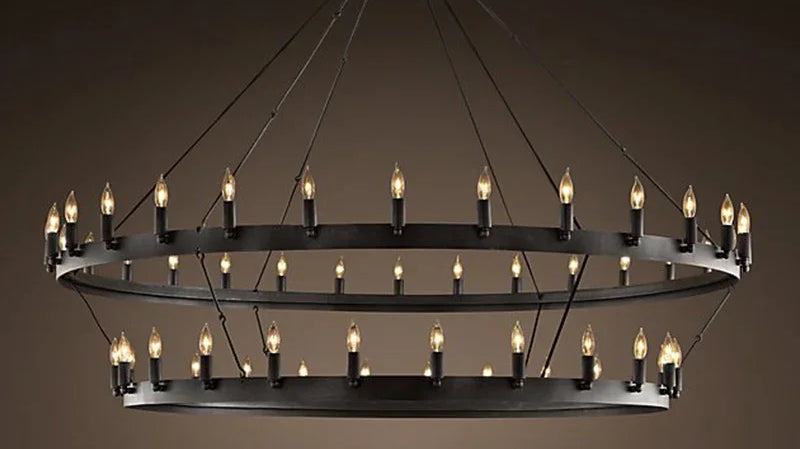
Restaurant and Cafe Lighting: Zones, Lux Levels and the Glare Check Before You Open
Lux levels by zone, pendant heights over fixed tables, why CRI 90 is a commercial decision rather than an aesthetic one, and the glare check to run from every seat before you open.

Will This Light Work in My Country? Voltage, Plugs, Dimmers and What to Check First
Will this work in my house? Voltage, plug types, bulb bases, dimmer compatibility and certification marks explained — plus the specification list to send your electrician before first fix.
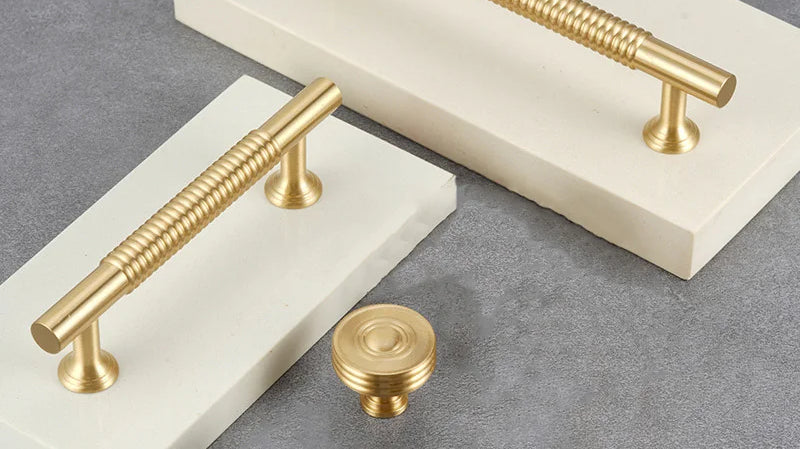
Cabinet Handles: Centre-to-Centre Sizing, Length, and Fitting Without Re-Drilling
One measurement decides whether a handle fits: centre-to-centre. How to measure it, the standard sizes, how long a handle should be for a given drawer, and the corner clearance problem nobody checks until the door jams.

Cabinet Knobs: Sizing, Placement, and Why Yours Keep Spinning
New knobs are the cheapest real change you can make to a kitchen, and the job people most often do twice. Diameters, the corner rule for placement, why screws come out wrong, and how finishes age.
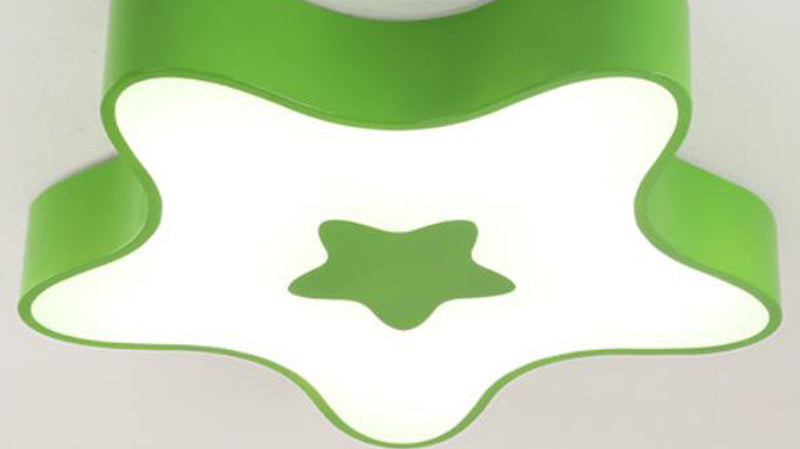
Lighting a Nursery or Kids Room: The Three Levels You Actually Need
A children's room has to work for nappy changes at 3am, homework at 6pm, and falling asleep at 8. That is three different lighting jobs, and one ceiling fixture cannot cover them.
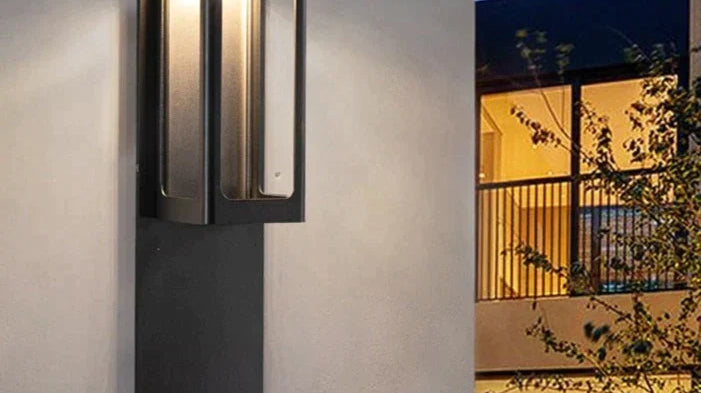
Outdoor Lighting That Survives the Weather: IP Ratings, Heights and Layout
The fixture that fails after one winter was almost certainly under-rated for where it was mounted. Here is what IP numbers actually mean, the mounting heights that work, and how to light a garden without turning it into a car park.
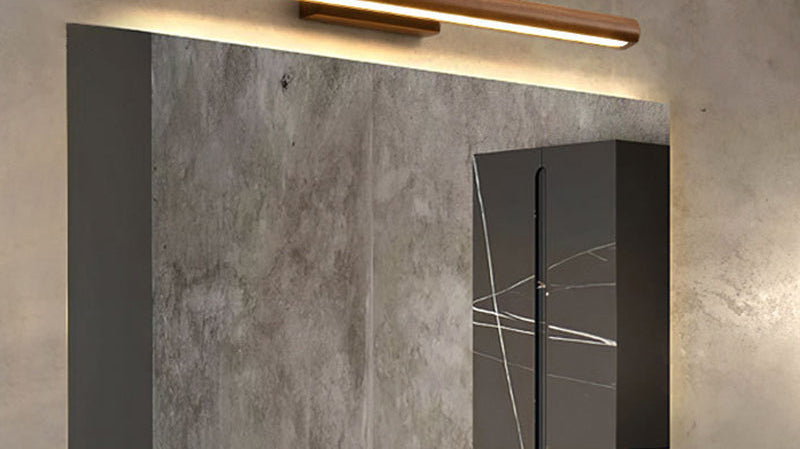
Vanity Lighting: Why Bathroom Mirrors Are So Unflattering, and How to Fix It
Overhead light on a face casts shadows in all the wrong places. Here is the side-lighting principle, the mounting heights, the CRI number that matters, and how IP ratings work in a bathroom.

Bedroom Lighting: Bedside Heights, Colour Temperature, and What to Put on a Dimmer
Bedside lamp or wall sconce? How high should it sit, and how bright? The measurements, the colour temperature we recommend, and the reason most bedrooms end up over-lit.

Why Your Living Room Feels Flat (And It Is Probably the Lighting)
One ceiling light doing all the work is the most common lighting mistake in a home. Here is how layering actually works, with the four positions we tell customers to fill and the order to buy them in.
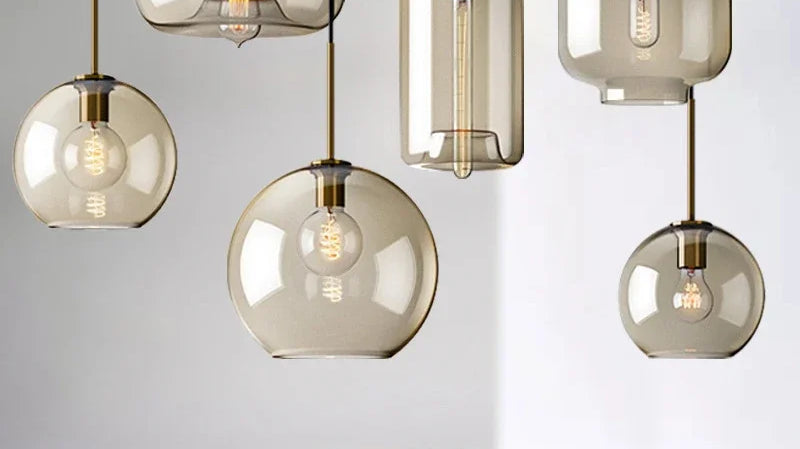
Kitchen Island Pendants: How Many, How High, How Far Apart
Two pendants or three? How high above the counter? We have answered these questions a few hundred times, so here is the whole thing written down, including the spacing maths and the mistakes that only show up after installation.

How to Size a Chandelier: The Numbers We Give Customers Before They Buy
A chandelier that is six inches too small reads as an afterthought. Here are the three measurements we walk customers through before they order, plus the clearances that matter over a dining table and in a stairwell.